Tag: wellness
-
Autophagy: why a cell’s recycling system can help or harm
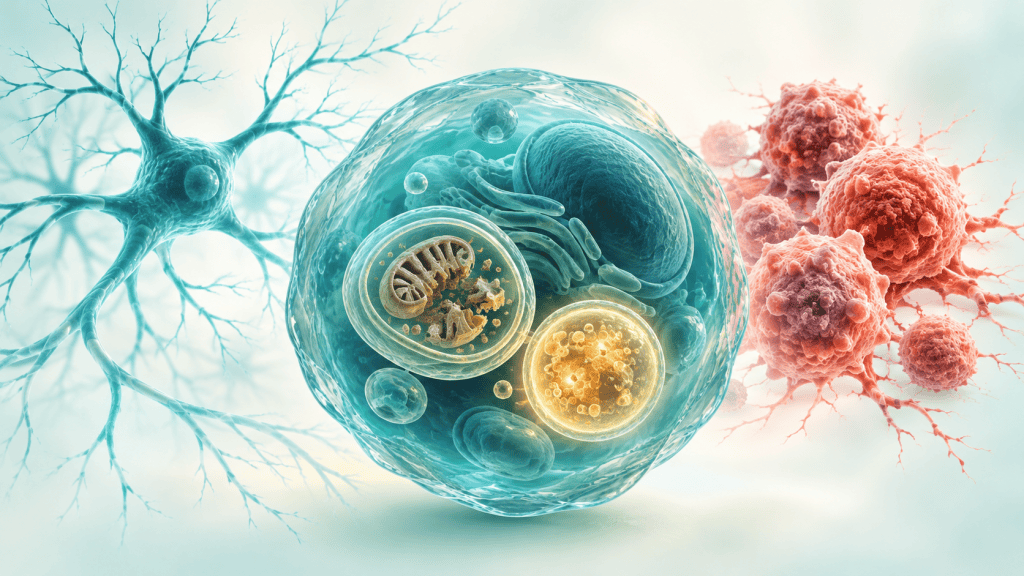
Autophagy helps cells recycle damaged parts. A new review explains why changing this process could help in some diseases, yet cause problems in others.
-
What Does It Mean By FDA Accelerated Approval Of Cancer Drugs?
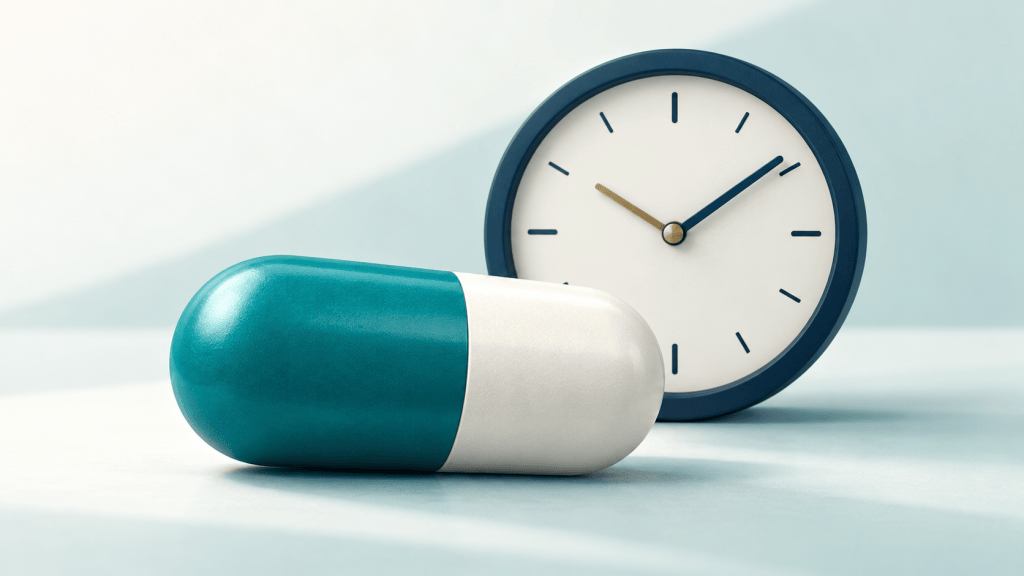
A new cancer drug can reach patients before its expected benefit has been fully verified. Here is what FDA accelerated approval means, why confirmatory trials matter, and what patients can ask.
-
From Failed Experiments to FDA Approval
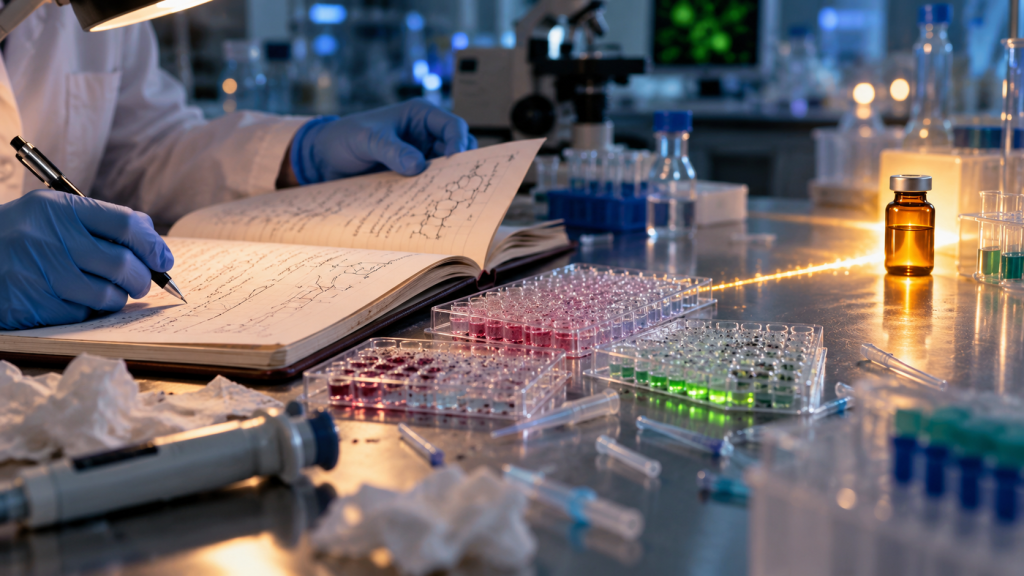
A simple look at how years of failed experiments, patient participation, and persistent cancer pharmacology helped turn a difficult target into an approved medicine.
-
DFMO: The Pill Designed to Help Keep High-Risk Neuroblastoma From Coming Back
In December 2023, the FDA approved eflornithine, also called DFMO or Iwilfin, to help reduce the risk that high-risk neuroblastoma comes back after intensive treatment. The science centers on polyamines, small molecules that some MYCN-driven tumors rely on to keep growing.
-
Why You Experience Headache After Missing Your Morning Coffee

Written and edited by Abel B. Daartey, PharmD 3 Key Takeaways That headache is real, not imaginary. Caffeine withdrawal headache is a recognised clinical phenomenon. The main trigger is a sudden caffeine drop. If your brain is used to daily caffeine, missing coffee removes caffeine’s usual effect on adenosine receptors, blood vessel tone, and alertness…
-
Why Are More Young People Getting Colon Cancer?
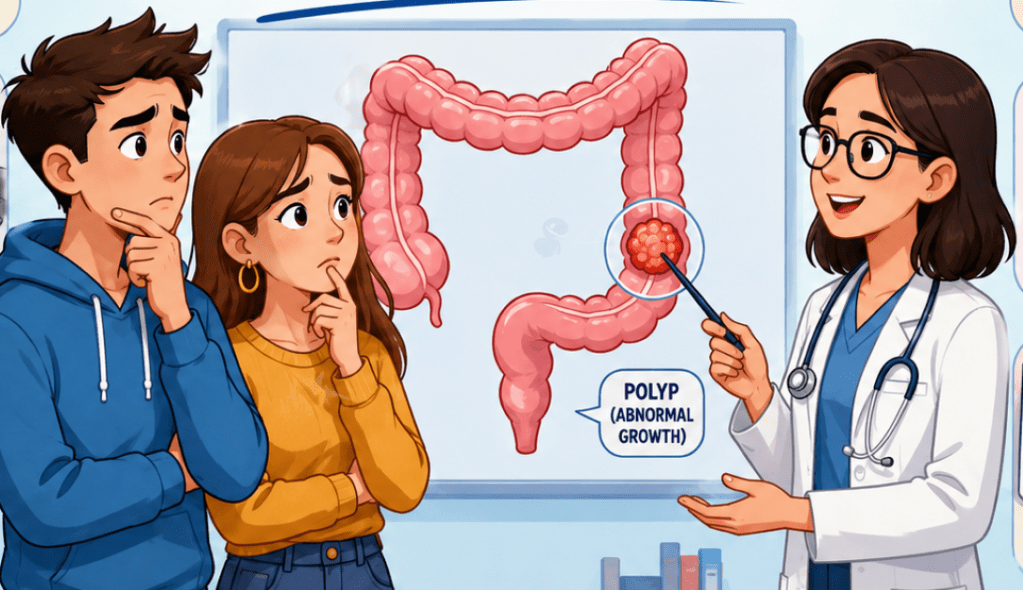
Early-onset colorectal cancer is rising in adults younger than 50. The causes are probably mixed: diet, metabolism, gut bacteria, alcohol, sedentary life, early-life exposures, and delayed recognition of symptoms.
-
The Sleep-Cancer Connection: What Happens in Your Body When You Don’t Rest
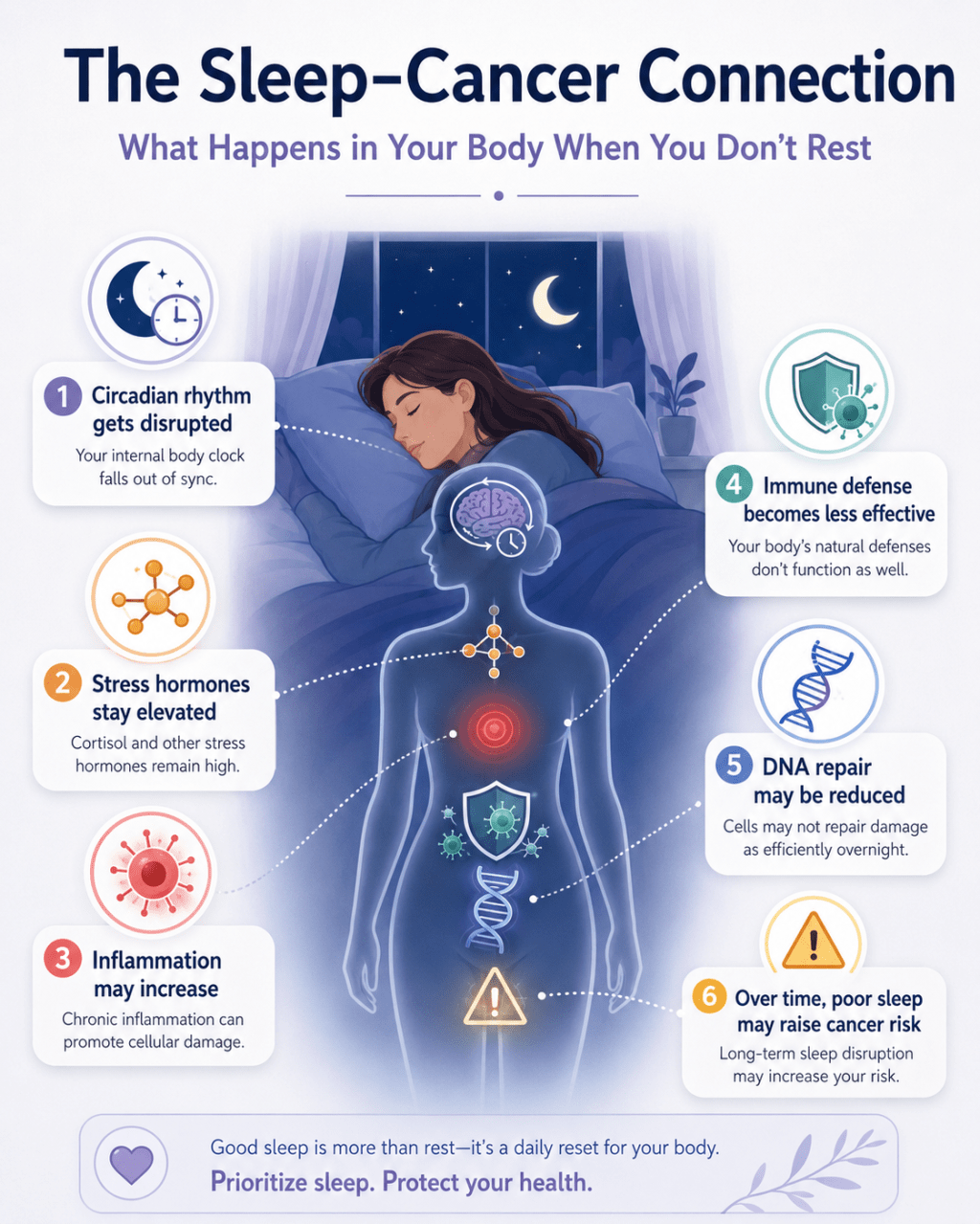
Sleep and circadian rhythm matter for cancer biology, but the evidence is nuanced. The strongest warning signal is long-term night shift work, not an occasional bad night.
-
Moringa and Cancer: What the Science Actually Shows
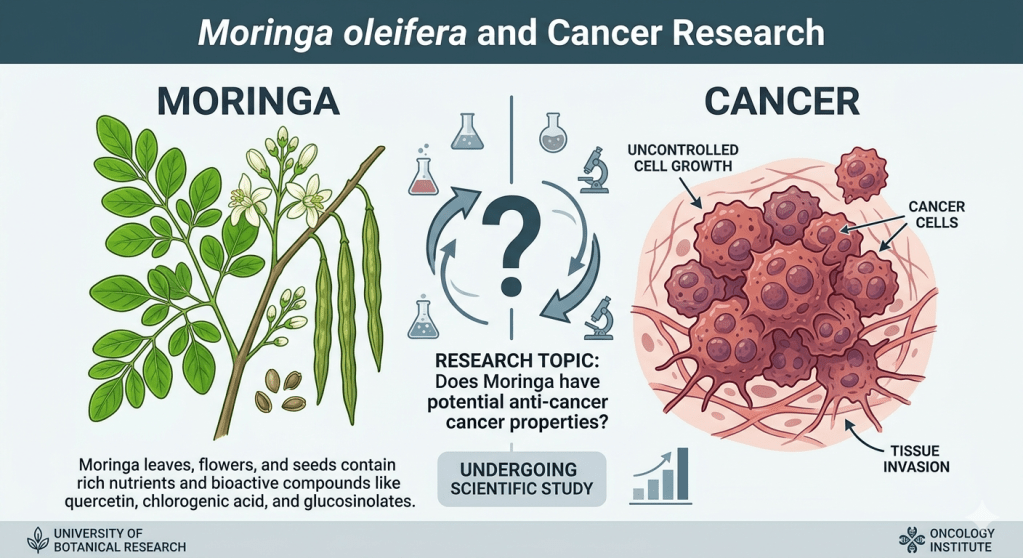
Moringa has interesting anticancer signals in cells and animal models, but it is not a proven cancer prevention or cancer treatment in humans.
-
Green Tea and Cancer: What EGCG Does Inside the Cell
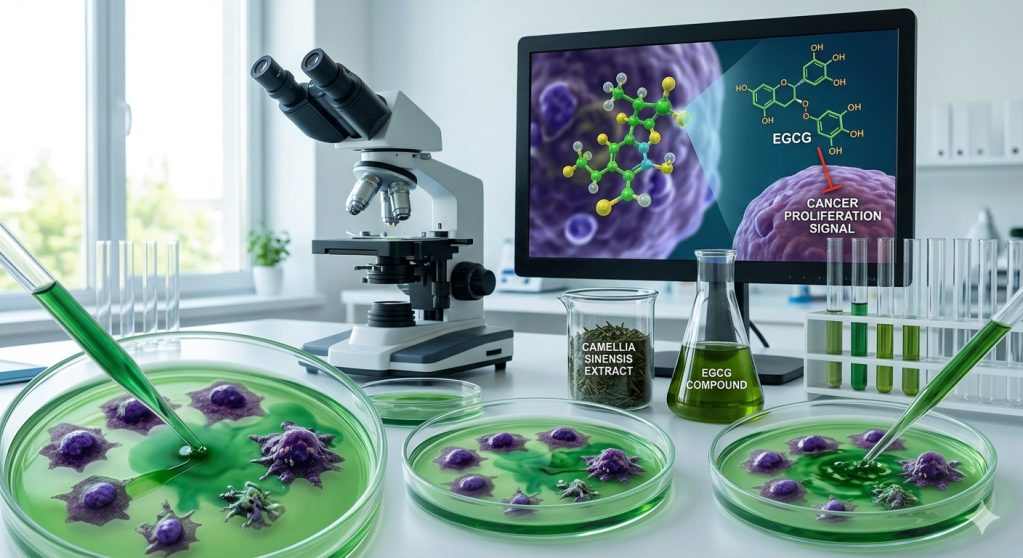
EGCG in green tea affects cancer-related pathways in the lab, but human prevention evidence remains limited and inconsistent. Brewed tea is not the same as high-dose extract pills.
-
Catch It Early: The Science and Limits of Cancer Screening
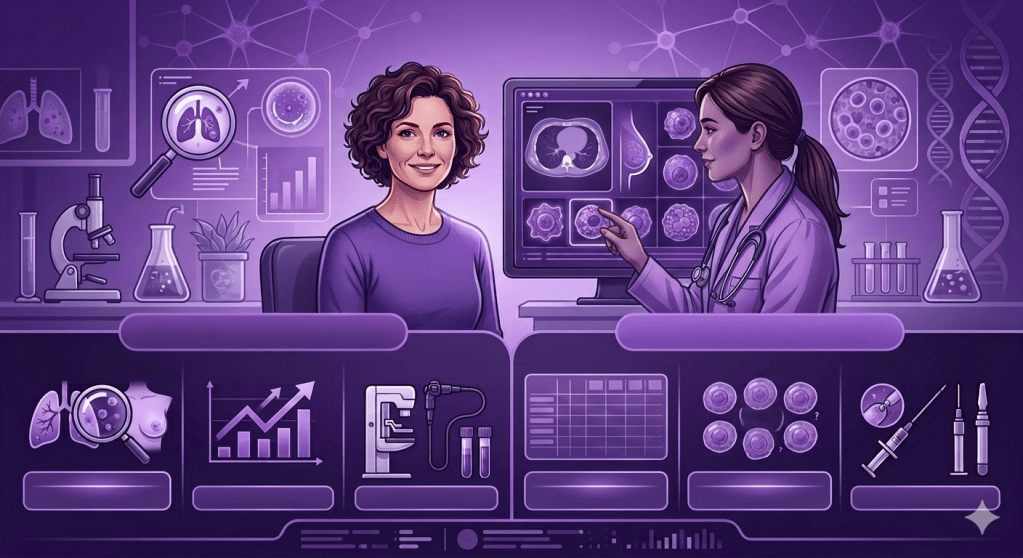
Cancer screening saves lives when used for the right cancers and the right people. But it also has limits, including false positives, overdiagnosis, and the need for careful follow-up.

