Scientists are now linking not just sleep duration but sleep regularity to cancer risk. Here is what the research says about how your nightly routine affects immune surveillance, DNA repair, and long-term cancer outcomes.
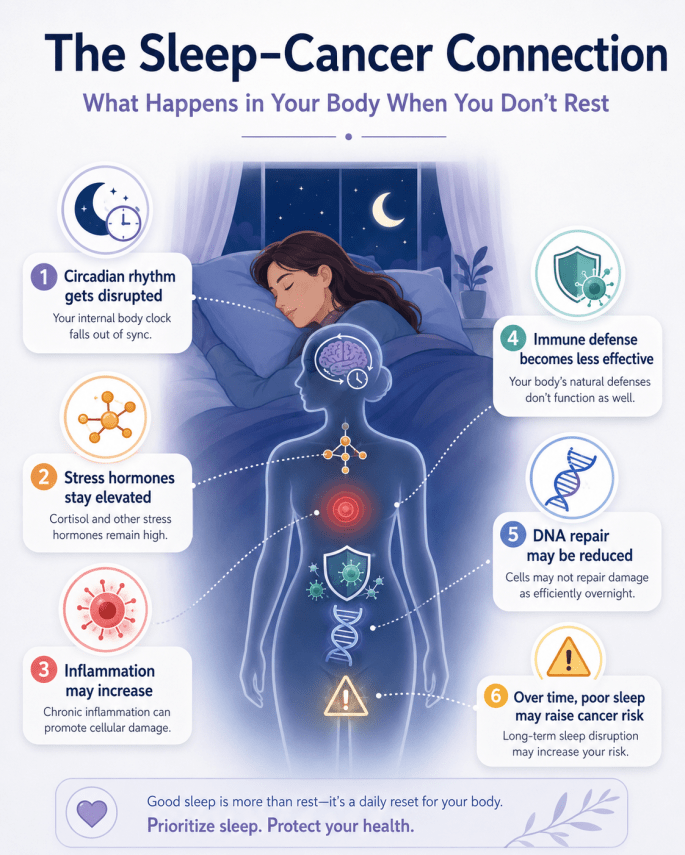

Scientists are now linking not just sleep duration but sleep regularity to cancer risk. Here is what the research says about how your nightly routine affects immune surveillance, DNA repair, and long-term cancer outcomes.
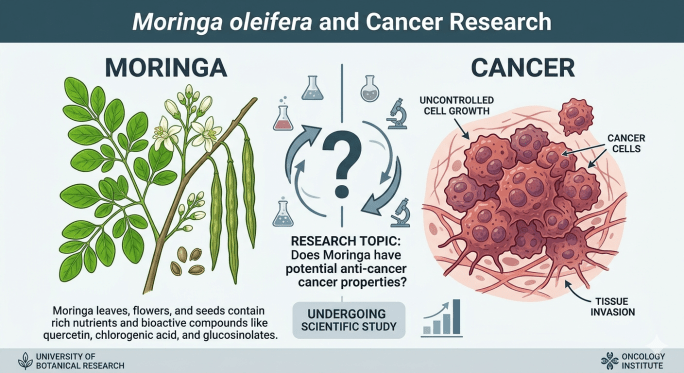
Moringa oleifera has become one of those plants that sits in an awkward place between nutrition, traditional medicine, and modern pharmacology. In laboratory and animal studies, extracts from its leaves and seeds show anticancer activity through apoptosis induction, cell cycle arrest, oxidative stress, inflammatory pathway modulation, and changes in the tumour immune microenvironment [1-5]. That … Continue reading Moringa and Cancer: What the Science Actually Shows
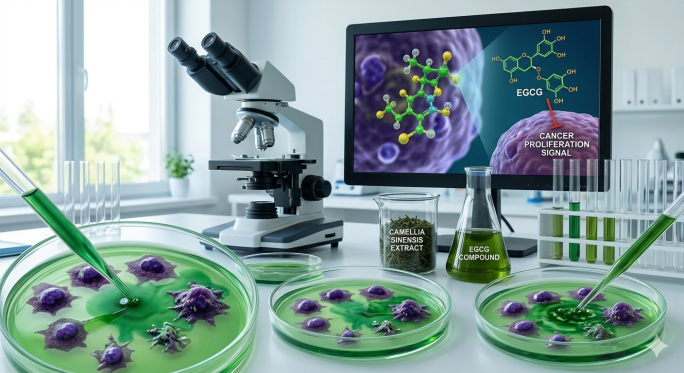
A compound found in every cup of green tea can slow cancer cell growth, trigger cancer cell death, and switch silenced tumour-suppressing genes back on – at least in laboratory and animal studies. That compound is epigallocatechin-3-gallate, or EGCG, and it is the most intensively studied plant-derived molecule in cancer prevention research. Decades of cell … Continue reading Green Tea and Cancer: What EGCG Does Inside the Cell
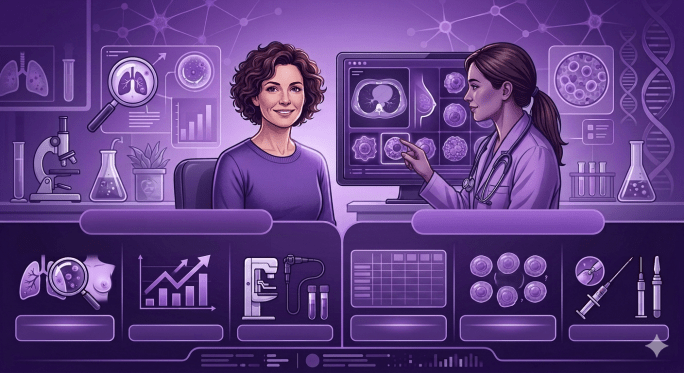
The 31% drop in US cancer mortality since 1991 was driven partly by better screening and early detection. Here is the evidence base for which tests save lives, when to start, and what is coming next.
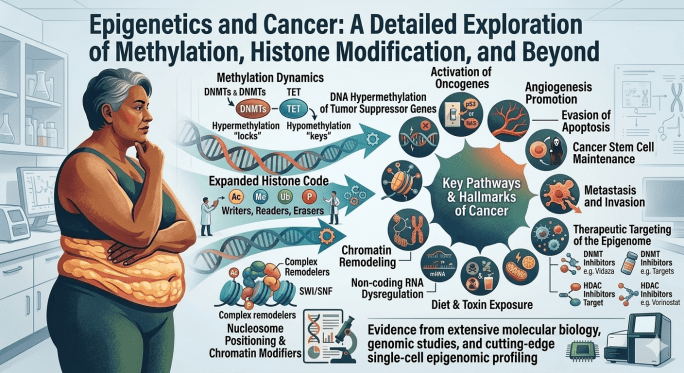
You cannot change your DNA sequence, but your daily habits are constantly changing how your DNA is read — through epigenetic modifications that directly influence cancer risk. Here is the science, made accessible.
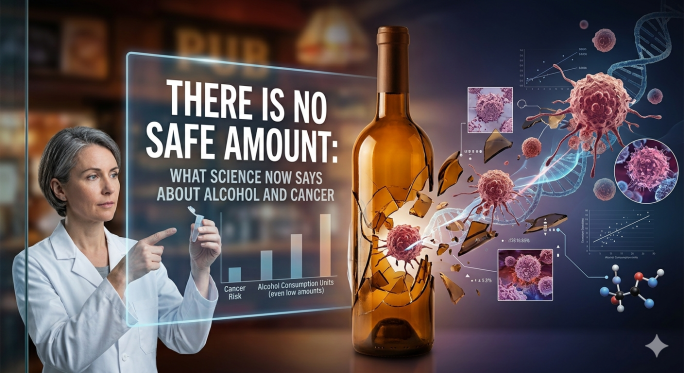
A major 2023 meta-analysis of 139 cohort studies reached a clear conclusion: there is no safe level of alcohol consumption with respect to cancer risk. Even light drinking elevates the risk of esophageal, colorectal, and breast cancers.
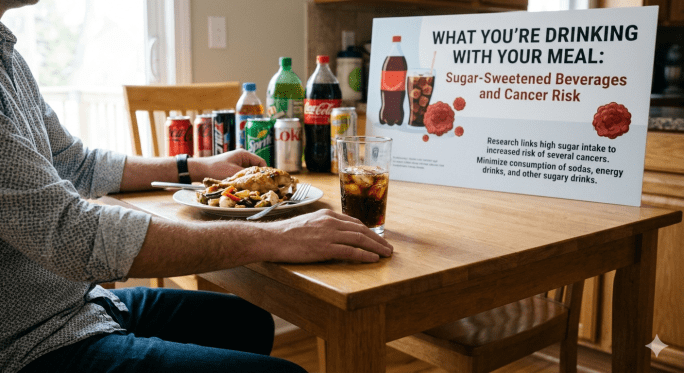
Sugar-sweetened beverages (SSBs) — carbonated soft drinks, fruit-flavoured drinks, sweetened teas, and sports drinks — account for a substantial proportion of added sugar intake in many populations. Their role in obesity and metabolic syndrome is well-established. Less discussed, but increasingly well-supported by epidemiological and mechanistic evidence, is their association with cancer risk. The Obesity Pathway: … Continue reading What You’re Drinking With Your Meal: Sugar-Sweetened Beverages and Cancer Risk
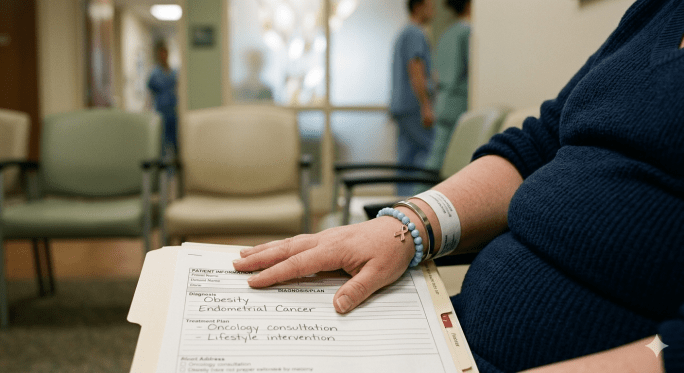
Obesity is the second leading preventable cause of cancer. The WHO links 13 cancer types to excess body fat — not through aesthetics, but through oestrogen, insulin, and chronic inflammatory pathways at the cellular level.

Of all the beverages studied for cancer associations, coffee generates some of the most consistently protective signals and some of the most context-dependent risks. The global evidence is now substantial enough that it deserves more than a summary dismissal or uncritical celebration. Coffee acts on multiple biological pathways at the same time, and whether that … Continue reading Coffee and Cancer: A More Complicated Story Than You Think
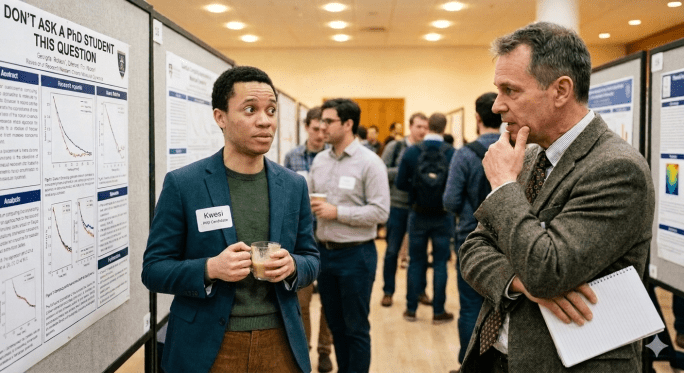
There is a particular kind of silence that descends on a PhD student when someone at a conference, a family dinner, or a casual departmental mixer turns to them and asks, with complete innocence and no idea what they are doing, the question. "So, which year are you, and how many papers have you published?" … Continue reading Which Year Are You and How Many Papers Have You Published? Do I Need Papers for Industry Too?
 BreathPharma